
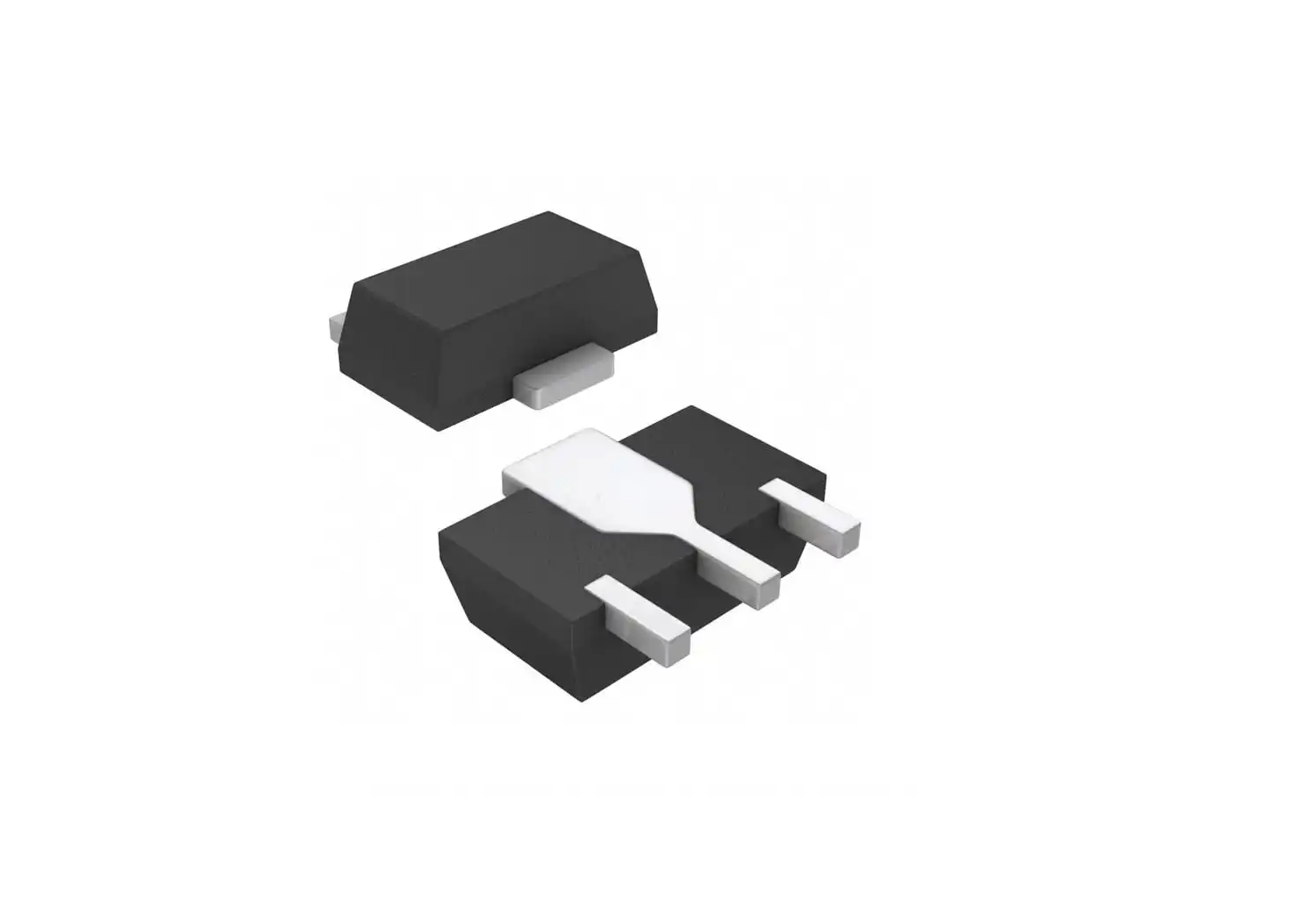
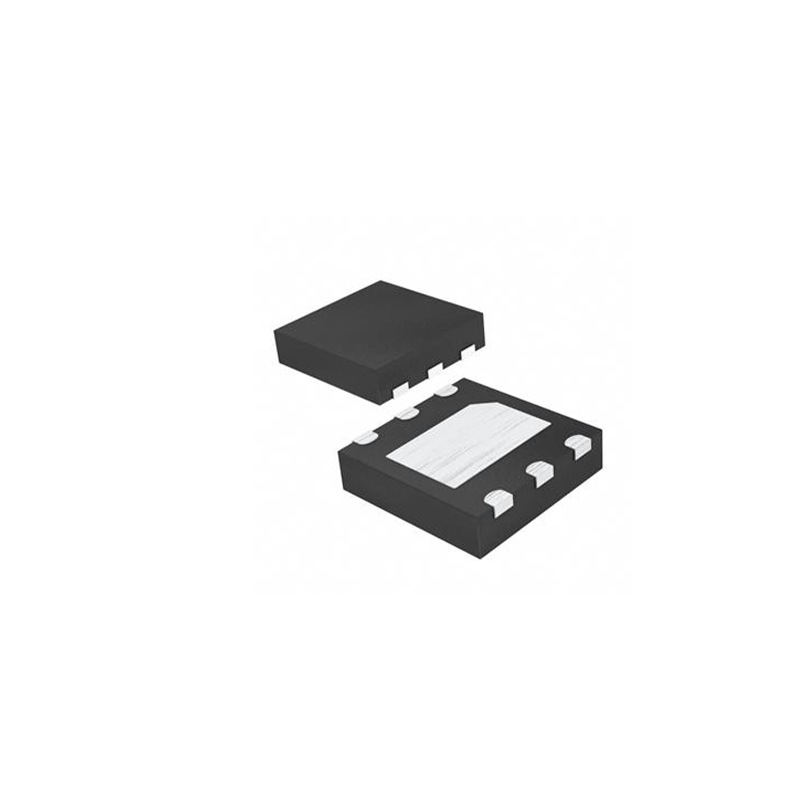
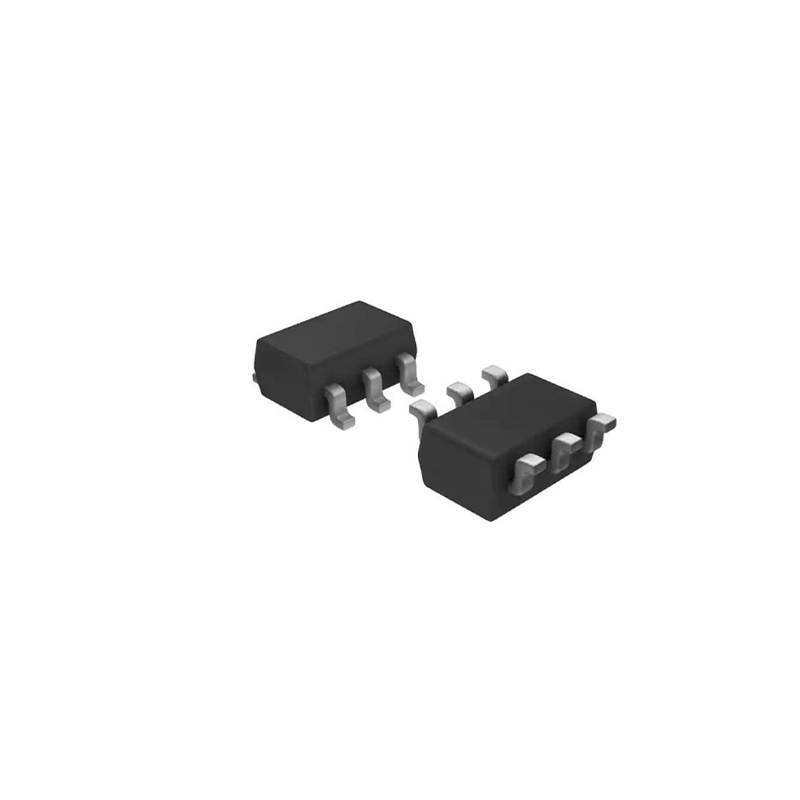
Open up a robot vacuum and you will find a board packed with components that makes your eyes water. But if you ask “who is actually in charge of the precise movement of a robot vacuum?” the answer usually points to something small and unassuming — the motor driver IC.
The chip we are talking about today does exactly that job: the SSP2617. It comes from Siproin Microelectronics, a “Little Giant” specialized-and-new enterprise certified by the Ministry of Industry and Information Technology. Eight pins, ESOP8 package, and plenty of capability. One chip handles forward rotation, reverse rotation, braking and stop, and protects itself when something goes wrong. Let’s break it down piece by piece.
First, a Concept: What Is an H-Bridge?
Many people hear “H-bridge” and assume it is something deeply esoteric. It is not.
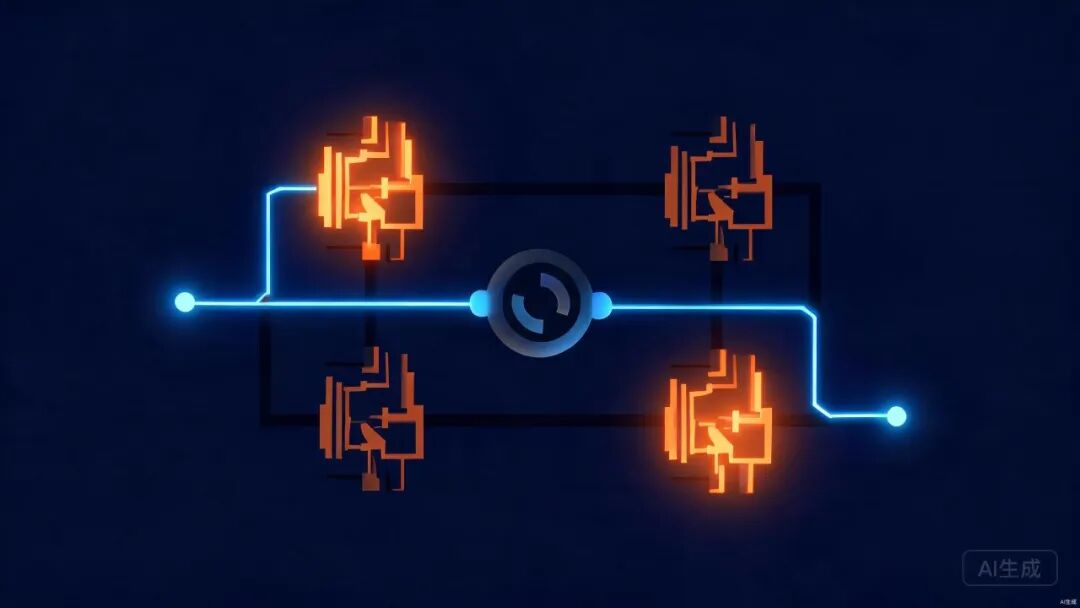
Picture a crossroads with four traffic lights, one for each of the east-west and north-south directions. The two wires of a motor connect across this intersection:
- Upper-left and lower-right on together → current flows left to right → motor turns forward
- Upper-right and lower-left on together → current flows right to left → motor turns in reverse
- Both on the same side together → short circuit, not allowed
- All off → motor stops
This is the basic logic of an H-bridge. Four switching transistors form the shape of an “H”, and different switching combinations control the direction and state of the motor.
Previously this took several discrete components, occupied a large area on the board, and was prone to problems. The SSP2617 puts the entire H-bridge into a single chip. You supply a direction signal and a PWM speed signal; everything else it takes care of for you.
SSP2617 Core Specifications
| Parametre | Değer | What it means |
| Maksimum Çalışma Gerilimi | 25V | Covers the vast majority of low-voltage battery scenarios |
| Maximum Continuous Current | 3.0A | More than enough to drive small and medium DC motors |
| Maximum Peak Current | 5.0A | Handles the large inrush at start-up |
| İşletim Akımı | 1mA (at 7.2V) | The chip itself draws almost nothing |
| Standby Current | 10uA | Battery devices will not slowly bleed dry |
| Koruma | Overcurrent + Thermal | Automatic shutdown on abnormal conditions — no burn-out |
A Few Key Points Explained
The 25V operating voltage ceiling means that whether it is two lithium cells (7.4V), four dry cells (6V) or six cells in series (9V), the SSP2617 works reliably. The voltage range of most electric toys and desktop robots falls right in this window.
The combination of 3A continuous and 5A peak current is interesting. In the instant a motor starts, current spikes to two or three times its normal operating level — that is exactly what the “peak” rating is for. If the chip cannot absorb the start-up current, the symptom is a reset and reboot in the mild case, or permanent destruction in the worst. The 5A margin provides real peace of mind.
A 10uA standby current works out to 0.01 milliamp. For battery-powered devices this means that even if the equipment sits unused for months, the battery will not be quietly drained by the driver IC.
Add to that the two lines of defence: overcurrent and thermal protection. On overload or when the chip temperature gets too high, the SSP2617 shuts its output down automatically and resumes once the condition clears. You do not need to add extra protection circuitry — one less thing to worry about.
Where Is This Chip Used?
The SSP2617 has a clearly defined position: low-voltage, low-power motion control.
Here are the typical application scenarios.
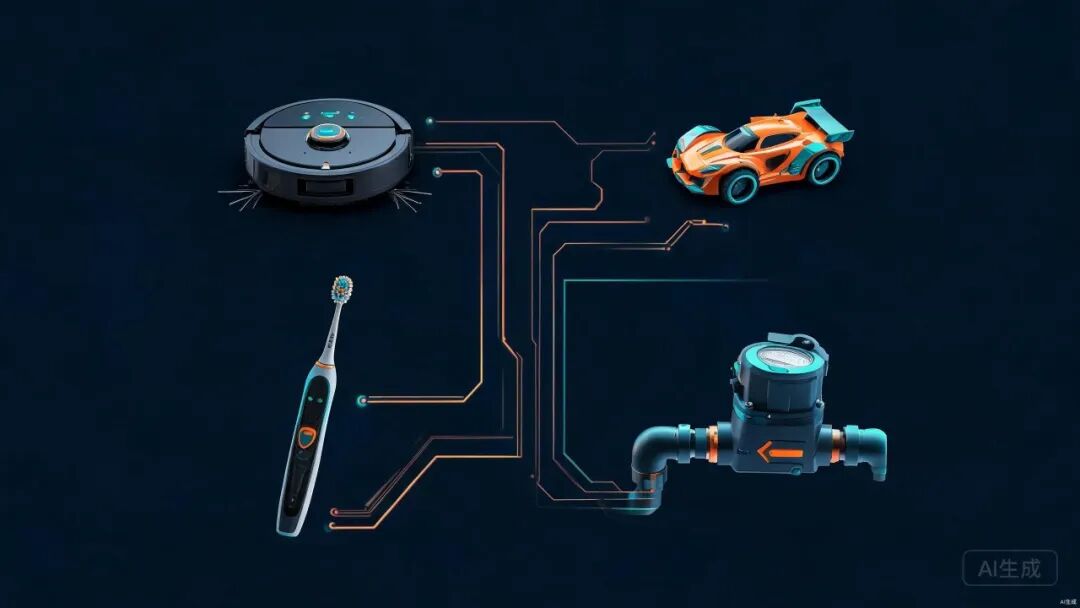
Robotics. Side brush and servo motor drives on cleaning robots, joint motion control on desktop robots. These applications demand a small, low-power and highly reliable driver — after all, a robot cannot afford to “go on strike” every few minutes.
Remote-controlled toys. Drive wheels on RC cars, propellers on RC planes, propulsion on RC boats. The toy industry is highly cost-sensitive, and SSP2617 completes the drive task with a single 8-pin chip, a simple external circuit and a low BOM cost — a very good fit.
Other DC motor applications. Electric toothbrushes, small water pumps, automatic curtain motors, pan-tilt rotation of security cameras — any small DC motor driven by a battery or low-voltage supply can use the SSP2617.
A Few Last Words
A motor driver IC used correctly is the unsung hero that works quietly in the background. Used incorrectly, it becomes the single point of failure for the whole product.
The SSP2617 offers a thoroughly pragmatic solution: a 25V / 3A specification that covers mainstream scenarios, a small ESOP8 package that saves board space, built-in dual protection that removes the worry, and a 10uA standby current that is friendly to battery devices. Siproin Microelectronics, as a specialized-and-new Little Giant enterprise, has made this chip worth watching in the broader trend of domestic substitution.
When you are selecting a motor driver solution, do put it on your comparison list.