_画板-1@2x.png)
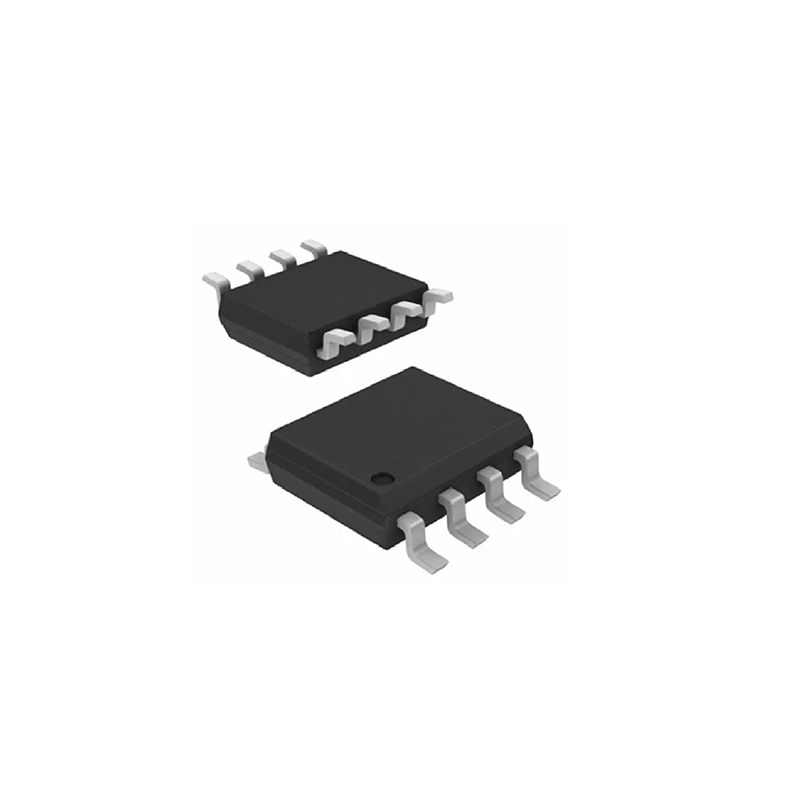
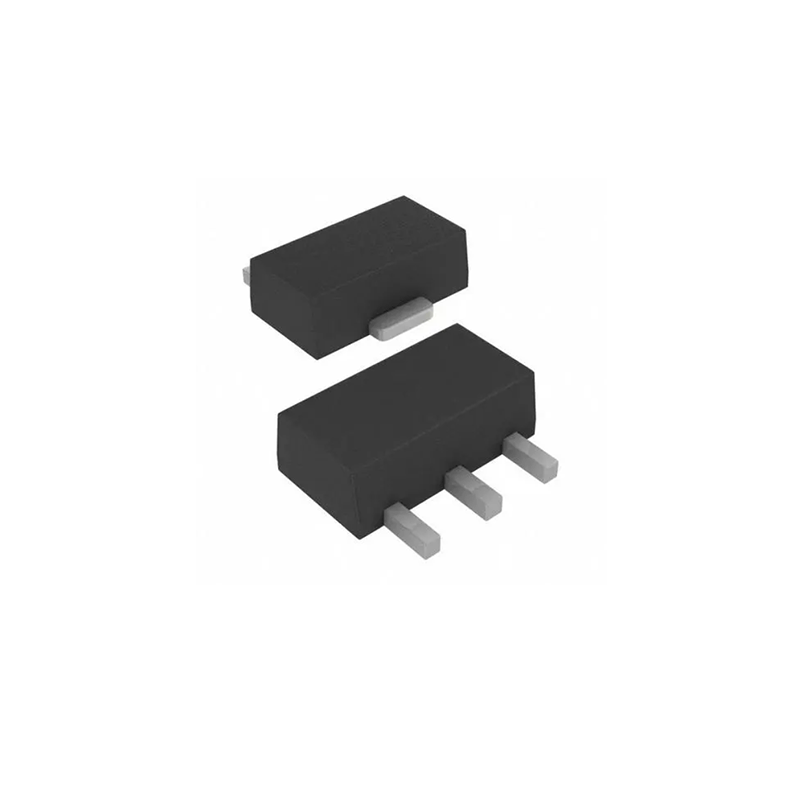
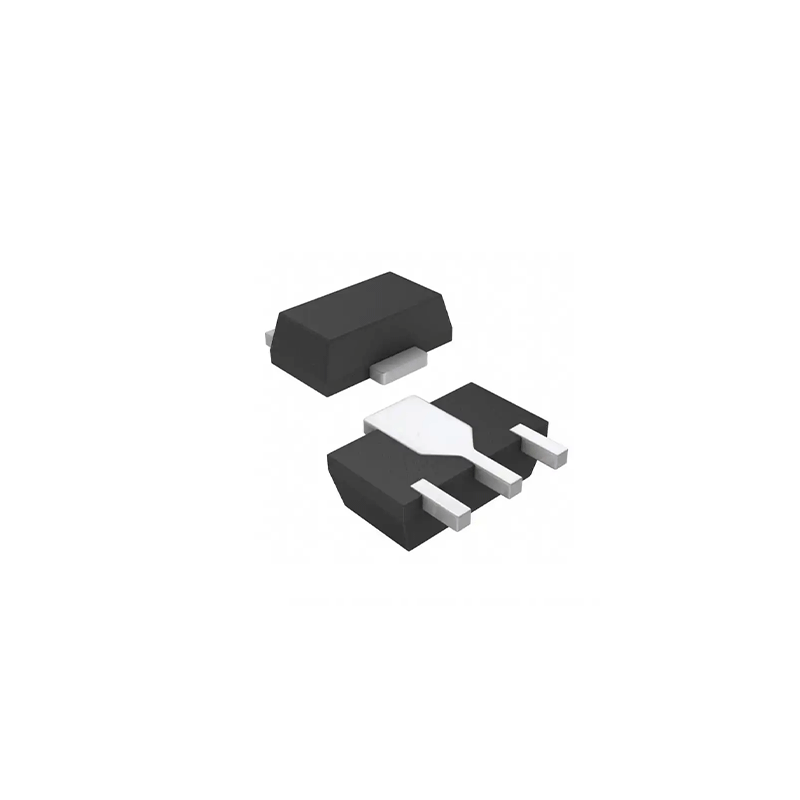
The Chips That "Talk" Inside Factories: An Invisible Communications Backbone
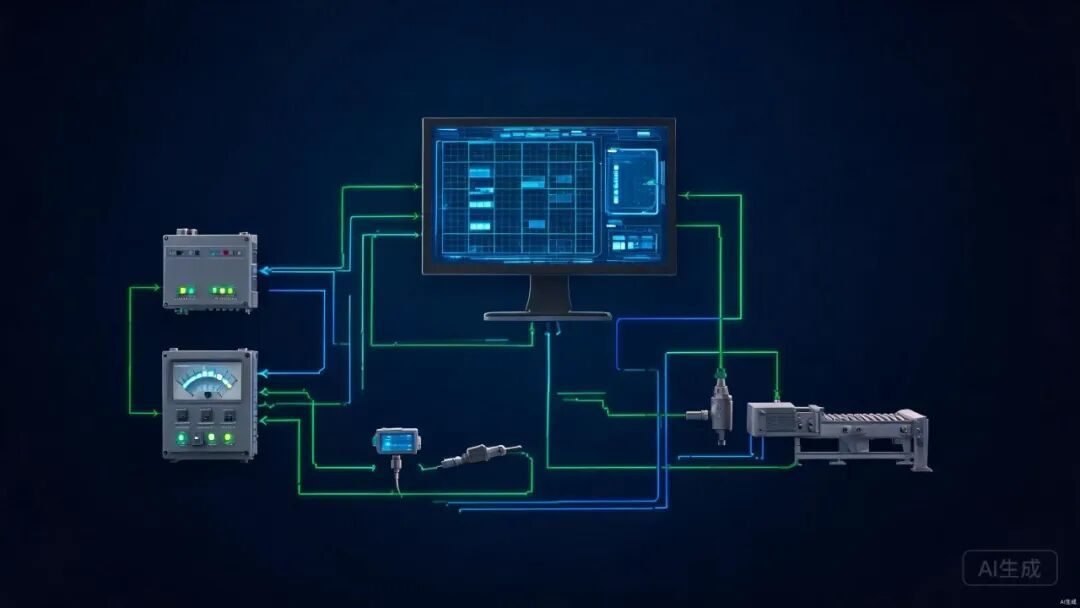
Have you ever wondered how the dense array of equipment on a factory floor — PLCs, variable-frequency drives, temperature sensors, motor drives — actually "talks" to one another?
Wi-Fi? Bluetooth? 5G?
None of the above.
On the industrial floor, the most reliable "language" is the RS-485 bus. It isn’t flashy, it isn’t eye-catching, but it has been there for decades. Whether it’s a hazardous area in a chemical plant or the tightly packed HVAC control cabinets of a building, open the enclosure and you will most likely find a few RS-485 transceiver chips in there, quietly moving signals from one end to the other.
The chip we’re looking at today is a contender from the domestic lineup that deserves serious attention — the SSP485, from Siproin Microelectronics.
RS-485: The "Common Language" of Industrial Communications
Before we get to the chip, let’s take a minute to explain why RS-485 matters.
Industrial sites are harsh environments: heavy electromagnetic interference, long cables, and many nodes. RS-232 gives up after a few meters, and the CAN bus suits automotive but is too costly for industrial equipment. RS-485, by contrast, uses differential signaling, has strong noise immunity, can run 1,200 meters over a single twisted pair, and supports a large number of devices. That is why RS-485 is the dominant physical layer beneath protocols such as Modbus and Profibus.
What the SSP485 does is translate the MCU’s TTL signals into RS-485 differential signals — quickly, reliably, and with low power consumption.
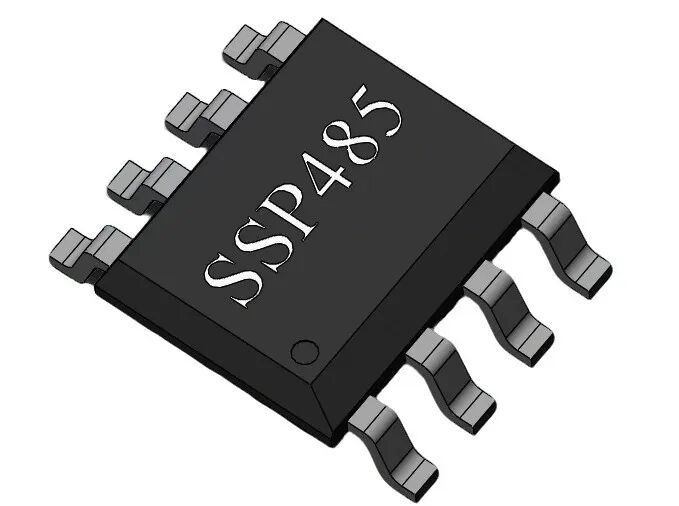
SSP485 Key Specifications: Don’t Be Intimidated by the Numbers — Let’s Break Them Down
Let’s go straight to the table — the key parameters at a glance:
| パラメータ | 価値 | Notes |
| 電源電圧 | +5V | Up to 2Mbps data rate at 5V supply |
| 電源電圧 | +3.3V | Up to 500kbps data rate at 3.3V supply |
| 静止電流 | 375μA | Very low power consumption in normal operation |
| Shutdown current | 1nA | Virtually no power draw in shutdown mode |
| ESD protection | ±15kV HBM | I/O pins withstand electrostatic discharge |
| Bus loading | Up to 256 nodes | 1/8 unit load — a whole string of nodes on one line |
| パッケージ | SOP8 | Compact footprint |
| Slew-rate limited | はい | Reduces EMI radiation, making EMC testing easier to pass |
| サーマルシャットダウン | はい | Automatically protects the chip from overheating and burnout |
A few points worth a closer look:
First, 256 nodes. The RS-485 standard defines 32 unit loads, but the SSP485’s receiver input impedance is designed as 1/8 unit load, which means 256 transceivers can be hung on a single bus. For node-dense building automation and instrument clusters, this number is critical — the bus does not have to be split into as many segments, wiring is simpler, and cost comes down.
Second, ±15kV ESD protection. Plugging and unplugging wiring is routine on an industrial site, and electrostatic discharge is one of the most common "causes of death" for RS-485 transceivers. The SSP485 delivers ESD protection of **±15kV** (human body model), a very strong figure that eliminates the cost of external ESD protection devices.
Third, slew-rate limiting plus thermal shutdown. Slew-rate limiting slows the signal edges and reduces higher harmonics, making radiated emission (RE) limits easier to meet. Thermal shutdown automatically disables the output when the chip temperature gets too high, preventing permanent damage. Together, these two features make product certification considerably less painful.

Where Is It Used?
The SSP485’s application scenarios cover essentially every main battleground of RS-485:
- Smart instruments and meters — power meters, water meters, gas meters, and data acquisition terminals. These devices ship in huge volumes and are sensitive to both cost and reliability; the 256-node capability and built-in ESD protection address their pain points directly.
- Industrial process control — communication between PLCs and the field level of DCS systems. The electromagnetic environment in a factory is complex, and slew-rate limiting plus differential transmission are must-haves.
- Building automation — control networks for HVAC, lighting, curtains, and access control. Long cable runs and many nodes make a single RS-485 bus the simplest way to string everything together.
- Motor control — the communication interface of variable-frequency drives and servo drives. Motor startup generates strong electromagnetic interference; if the transceiver itself can’t take it, the entire communication link collapses.
- EMI-sensitive applications — such as medical equipment and precision test instruments. Here, slew-rate limiting is a real bonus.
Put simply, if your equipment needs to communicate over long distances with many nodes and strong noise immunity, the SSP485 belongs on the shortlist.
Domestic Replacement Is Nothing New
Mention RS-485 transceivers and many people’s first reaction is TI’s SN65176 or ADI’s MAX485. Both are classics among classics. But the SSP485 from Siproin Microelectronics already matches these international parts on specifications, and adds advantages of its own in node count and ESD protection.
Siproin Microelectronics is itself a specialized, refined, distinctive and innovative "little giant" enterprise certified by the Ministry of Industry and Information Technology, and it is serious about analog chips. For teams working on domestic replacement, the SSP485 offers an option worth evaluating — compatible package, adequate specifications, and a self-controllable supply chain.
To sum up: the SSP485 is not one of those chips with explosive specs that disrupts the industry. It is the kind of chip you install and never want to replace — 1M~10Mbps data rates, 256 nodes, 15kV ESD, slew-rate limiting, thermal shutdown. Everything you would expect is there, and the package is compatible with mainstream solutions. In industrial communications, it isn’t about gimmicks; it’s about stability.
If your project happens to need an RS-485 transceiver, it’s worth trying a few SSP485s.

